The U.S. Department of Energy reports that pool cover types can save up to 70% on annual energy costs. I was amazed when I found that there was this fact. The right pool cover does way more than keep leaves out of the water.
The best pool covers are a great way to get energy savings and provide vital safety benefits. Pool covers for inground pools come in many designs with different functions. Some options include mesh safety covers strong enough to support children’s and pets’ weight. Other choices feature automatic covers that work with a switch flip. A detailed understanding of swimming pool cover types helps make smart decisions.
This piece walks you through five main pool cover types. You’ll learn insider tips that most experienced pool owners keep to themselves. The guide includes specific maintenance tips for each cover type. By the end, you’ll know which covers match your needs and how to dodge expensive mistakes down the road.
Why Pool Cover Type Matters More Than You Think
Picking the wrong pool cover can get pricey, and most homeowners don’t realize this until it’s too late. Pool cover types differ in more than just looks—they directly affect safety, maintenance costs, and long-term value.
Safety vs convenience: what’s your priority?
Pool owners often struggle between choosing safety and convenience. Automatic pool covers give you both—they create a strong barrier against accidents and work with just the push of a button. Standard manual covers help with upkeep, but don’t work as safety barriers.
The level of protection varies among covers. Bubble covers (solar blankets) retain heat but provide zero safety protection. Only ASTM-certified covers can stop accidental entry—something many homeowners don’t know. When it comes to protecting children, pets, or guests, there’s no room for compromise: you need a safety cover that meets strict standards.
Common myths about pool cover safety
A dangerous belief exists that any cover stretched across a pool makes it safe—this isn’t true. This explains why drownings happen even with covered pools. Some people think having a cover eliminates all safety risks, but unless it meets specific standards, you shouldn’t rely on it as your only barrier.
People also wrongly believe that automatic covers can replace winter covers in snowy states (snow can destroy automatic mechanisms) and that solar covers prevent drowning (floating covers actually make entrapment more likely).
How the wrong cover can cost you more
The wrong cover hits your wallet hard. Non-safety covers might cost less upfront, but wear out faster and need more frequent replacement. These expenses add up quickly.
High-quality covers might seem expensive at first,t but save money on pool chemicals, heating, and replacements. A new automatic pool cover costs around $3,000—an expense you could avoid by choosing the right one from the start and maintaining it well.
Fixing badly damaged covers often costs more than buying new ones. The right cover from day one prevents surprise expenses and gives you peace of mind about safety and efficiency.
The 5 Main Types of Pool Covers Explained
The pool cover market offers several distinct options that match specific needs and conditions. Each type brings its own advantages based on what matters most to you.
Mesh safety covers: best for winter and safety
Mesh safety covers give you exceptional protection and let rainwater drain through without pooling. The durable woven fabric supports significant weight and stops accidental falls from children, pets, and adults. These covers are lighter and easier to handle during seasonal changes than other safety options. The quality mesh blocks up to 98% of sunlight, which keeps algae from growing too much.
Solid safety covers: full protection from debris and light
Solid safety covers create a barrier that nothing can get through – not debris, water, or sunlight. The high-quality PVC reinforced vinyl completely blocks UV rays and stops algae from growing in the off-season. You’ll need a pool cover pump or built-in mesh drain panels with these covers to remove collected water. They’re heavier to work with, but your pool stays clean until you reopen it – just the way you left it.
Automatic covers: daily use and energy savings
Automatic pool covers make life easier and save money. You just press a button or turn a key to roll them up or deploy them along the tracks. These covers help you reduce heating costs by 50% to 70%. They cut water evaporation by up to 90% and reduce chemical use by up to 60%. The sturdy design keeps things safe, but don’t use them as winter covers in snowy areas – they can’t handle heavy weight.
Winter tarp covers: budget-friendly but limited
Winter tarp covers give you economical seasonal protection with different quality grades. The warranties last 8 to 20 years. depending on how thick they are and how they’re made. They keep debris out and protect against harsh weather well, but don’t offer much safety. These covers work best for seasonal closure instead of year-round use.
Solar covers: heat retention without safety
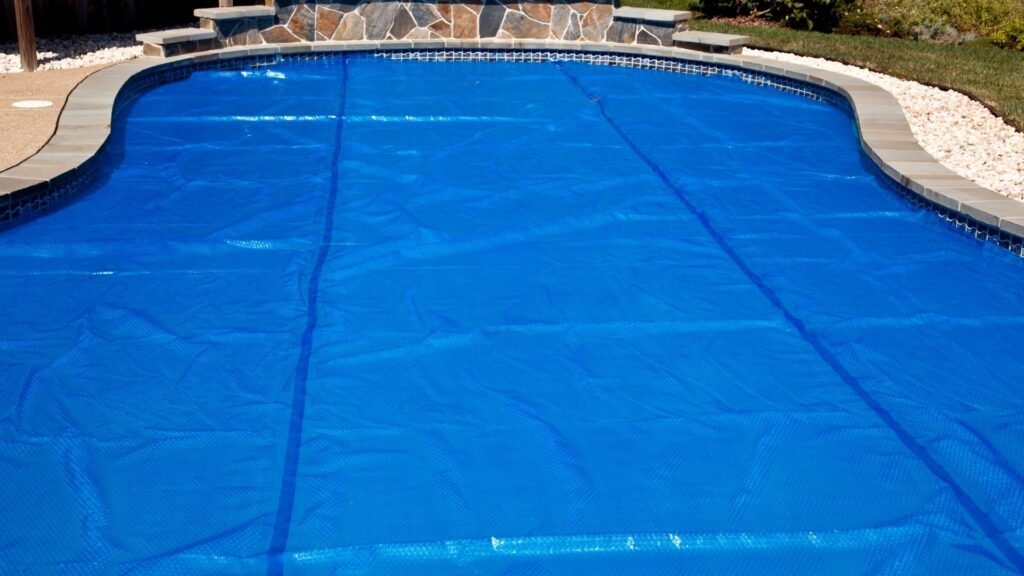
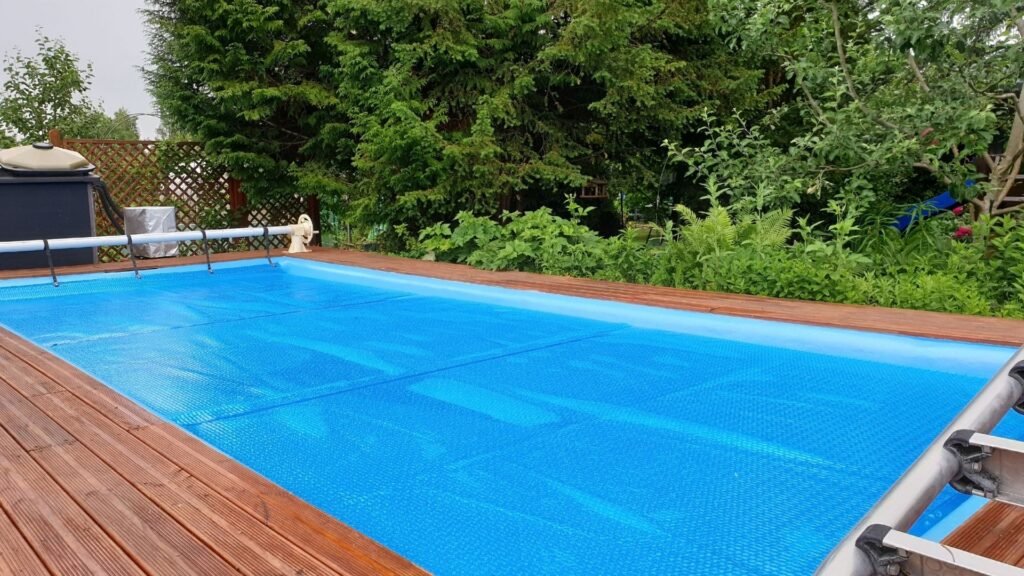
Solar covers work like giant bubble wrap and warm your pool water by 5-15°F by soaking up sunlight. They cut down on evaporation and chemical loss, but these lightweight covers offer zero safety protection. The energy savings are great, but never think of them as safety devices – they can’t hold any weight and might even make things more dangerous if someone falls on them.
What Expert Pool Owners Know (But Rarely Share)
Pool owners guard their secrets closely. These hidden truths about swimming pool covers might surprise you.
Why automatic covers aren’t enough in snowy climates
Automatic pool covers might seem convenient, but they struggle with winter protection in snowy areas. Snow packs a hefty 12-20 pounds per cubic foot, while ice weighs about 60 pounds per cubic foot. The freeze-thaw cycle creates sharp edges that damage cover materials. Your warranty could become void if too much snow accumulates.
How mesh covers can still let algae grow
In stark comparison to this common belief, mesh covers allow UV rays to pass through their tiny holes. These rays help algae thrive and break down chlorine faster. Pools protected by mesh covers usually need 2-5 days to become crystal clear after opening.
The hidden costs of non-safety covers
Basic winter covers tend to move with wind or water weight, which demands constant attention during winter. Safety covers might cost 8-10 times more upfront, but they are nowhere near as expensive as repeatedly replacing cheaper alternatives.
Why ASTM certification matters more than price
Pool covers that work must meet ASTM F1346-91 standards and support at least 485 pounds – enough for two adults and one child. Many local authorities waive pool fencing requirements when properly certified covers protect the pool. Quality safety mesh has proven strong enough to support elephants and vehicles during emergencies.
Maintenance Tips by Cover Type
Your pool cover will last longer and work better year after year with proper maintenance. Each type needs its own care routine to stay safe and functional.
Mesh covers: tension checks and debris removal
A mesh safety cover’s performance depends on proper tension. Your cover should stay flat and centered—check it weekly to prevent sagging or drifting. Take a look at anchor points monthly to make sure they’re flush, secure, and rust-free. On top of that, you’ll need to look for any fraying, stretching, or weak stitching in the straps.
Quick debris removal is crucial. Water passes through the mesh easily, but leaves and branches add extra weight that damages the fabric over time. You should get a full picture under good lighting before seasonal storage to spot early signs of wear.
Solid covers: pump water and clean vinyl
Water pooling on solid covers creates a major safety risk—beyond looking bad, it adds dangerous weight. A cover pump helps remove water buildup after rain or melting snow. Keep your pool’s water level at halfway up the skimmer to prevent extra stress on the cover when debris or snow piles up.
Clean the vinyl with mild soap and a soft brush before storage to remove chemical residue that can damage the material. Never store a damp cover since this leads to mold growth.
Automatic covers: track cleaning and motor checks
Track cleanliness matters most with automatic covers. Use a high-pressure garden hose nozzle to spray the tracks and clear dirt from the slots. This stops the buildup that can wear down the cover’s webbing too soon.
Check the mechanism monthly and clean rotating surfaces and pulleys. Stick to silicone-based lubricants since oil-based products attract dirt. Open and close your cover weekly for best results, even when you’re not using the pool.
Solar covers: avoid dragging and rinse regularly
Chemicals cause most solar cover damage. The biggest mistake is shocking your pool with the cover on. Let your filter run for several hours after adding chemicals before putting the cover back.
Give your solar cover a good rinse every two weeks during swim season with cold water and a soft brush. Be careful not to drag it across sharp edges that could cause tears. A cool, dark storage space will prevent heat damage.
Conclusion
Pool owners face a crucial decision when selecting the right pool cover. This piece explores how different covers serve unique purposes, from safety-focused mesh covers to energy-efficient automatic systems. Your choice of safety certification matters more than price, and picking the wrong cover can cost you extra money later.
A pool cover does much more than block leaves—it keeps your loved ones safe, cuts down maintenance time, and helps you save on energy and chemicals. Quality ASTM-certified safety covers outperform simple tarps by thousands of dollars over your pool’s lifetime, while giving you peace of mind that’s worth every penny.
Your cover type should match your climate and how you use your pool. Pool owners in snowy areas should consider solid safety covers for winter, while automatic systems work better for daily use throughout the year.
Proper maintenance works the same way, whatever cover you pick. Your investment will last longer when you check mesh cover tension, remove water from solid covers, and clean the tracks of automatic systems.
Next time your neighbor struggles with a flimsy winter cover or claims all covers protect equally, you’ll know better. Your pool needs protection that balances safety, convenience, and budget-friendly options—these factors vary by a lot between cover types.
You should assess your priorities before making a choice. The perfect pool cover exists for your situation, and with insights from this piece, you’ll find it without falling for myths or missing key features that make the real difference.