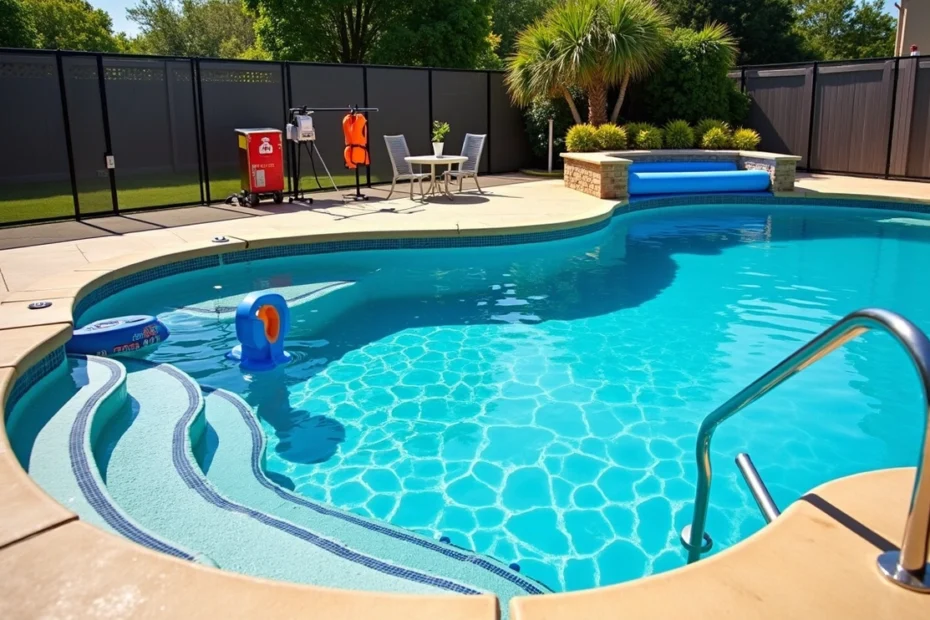
Pool safety features can save children’s lives and prevent tragedy. The U.S. Consumer Product Safety Commission reports that pool and spa-related accidents claim nearly 400 children’s lives each year. Most of these deaths could have been prevented. Building codes require simple safety measures like four-foot fences. Many pool owners wrongly think these basic precautions will keep curious kids safe.
But pool safety features need to go beyond meeting minimum requirements. Research and experience show that swimming pool safety features must create multiple layers of protection. Children under five should never be left alone near water, even for a moment, and proper fencing doesn’t change this fundamental rule. Pool safety features for kids need to include everything from self-latching gates to anti-entrapment devices.
In this piece, we’ll explore the safety elements your pool might lack, from physical barriers to smart technology solutions. Emergency preparedness strategies will help your family enjoy the pool with peace of mind. A truly kid-friendly pool needs to balance fun with detailed protection.
Commonly Overlooked Physical Barriers
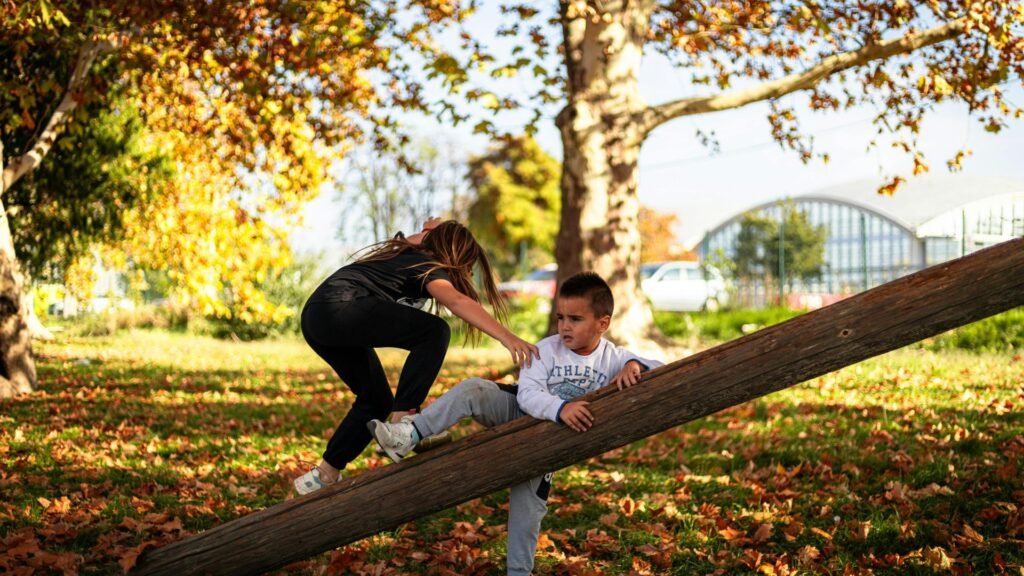
Pool fences offer great protection, but they aren’t perfect. A four-sided isolation fence that separates the pool from the house cuts drowning risk by 83%. Yet tragic accidents still happen. A child can drown in the time it takes to answer a phone. Physical barriers are just one part of keeping kids safe.
Why fences alone aren’t enough
Barriers create vital protection when supervision slips, but they’re not childproof. They give parents extra time to find a wandering child before something terrible happens. Children under 4 most often drowned (58%) in pools at their own homes between 2013-2015. These kids got to the pool through doors, windows, and sometimes even doggy doors.
Kids can be clever about getting past barriers. A pool fence needs to be impossible to climb, without footholds or nearby objects that could help someone get over. Chain-link fences make climbing too easy and shouldn’t be used around pools.
The importance of self-latching gates
A fence system’s weakest point is its gate. The gate must meet these requirements to work properly:
- Open outward, away from the pool area
- Be self-closing and self-latching
- Have latches positioned at least 54 inches from the ground
- Include no openings greater than ½ inch within 18 inches of the latch mechanism
Self-closing mechanisms make the gate shut and latch automatically, which substantially reduces accidental access. This feature becomes crucial since service workers, visitors, and older siblings might not be as careful about closing gates as parents.
Pool owner operator verification of entrapment safety features
Pool owners must protect against entrapment dangers, along with unauthorized access. The CDC lists drowning as the leading cause of unintentional injury-related death for children ages 1-4. Many regions now require strict safety rules that include barriers and entrapment prevention devices.
Safety features need regular checks, especially the gate’s hinges and latching mechanisms. Anti-entrapment drain covers and a Safety Vacuum Release System (SVRS) help prevent children from getting trapped by strong suction.
It’s worth mentioning that no single safety measure can guarantee protection. Multiple layers of protection create the most detailed safety system for your pool.
Essential Pool Safety Features for Kids
Kids need more than just regular fencing to stay safe around pools. Let’s get into eight vital features that pool owners should have.
1. Pool safety covers that support weight
Safety covers must hold at least 485 pounds—equal to two adults and a child. High-quality covers meeting ASTM F1346-91 standards can hold up to 600 pounds. These covers block access to the pool completely and prevent drownings when no one uses the pool.
2. Anti-entrapment drain covers
The Virginia Graeme Baker Pool & Spa Safety Act requires anti-entrapment drain covers in all pools. These covers stop the strong suction that could trap hair, limbs, or bodies underwater. You should look for raised, dome-shaped designs with smaller openings that meet ANSI/APSP/ICC-7 standards.
3. Non-slip surfaces and handrails
Wet decks put kids at risk. Non-slip surfaces and strong handrails help reduce accidents by a lot. Good handrail covers protect hands from hot metal and stay grippy even with water or sunscreen on them.
4. Zero-entry or sloped pool entrances
Beach-style sloping entrances remove the need for stairs and create a smooth path from deck to water. These work great for families with small children and follow a 1:7 ratio (one inch of depth needs seven inches of length). Swimmers of any age or skill level can use these entrances easily.
5. Removable mesh fencing for flexibility
Mesh pool fencing creates a see-through barrier while letting you watch the pool. Make sure to get fencing that meets local building codes and has self-closing gates that kids can’t climb. Your mesh fencing should be portable yet tough enough to handle weather exposure.
6. Pool alarms for gates and water surface
Surface movement alarms sound off when objects over 18 pounds hit the water. Gate alarms alert you if someone opens pool access points unexpectedly. Both types give you vital warning time in emergencies.
7. First aid kits and rescue tools nearby
Your pool area needs a complete first aid kit with bandages, cold packs, antiseptic wipes, and a CPR mask. You should also keep bloodborne pathogen cleanup kits and check all rescue gear regularly.
8. Life vests and approved flotation devices
Use only U.S. Coast Guard-approved life vests—pool toys or inflatable rings won’t work. Life vests need to fit tightly and match the wearer’s size. Keep extra vests ready for guests who can’t swim.
Smart Tech That Enhances Pool Safety
Technology has transformed pool safety and provides unprecedented protection through intelligent monitoring systems. These advanced solutions add an extra layer of security that goes beyond traditional barriers.
AI-powered pool cameras and alerts
Modern pool cameras use artificial intelligence to differentiate between a person drowning and normal swimming movements or pool toys. These systems analyze video feeds continuously and detect potential drowning incidents within milliseconds – a response time that’s nowhere near what humans can achieve. The cameras offer both above-water and underwater monitoring to ensure complete pool coverage. These systems also minimize false alarms by distinguishing between humans and other objects such as leaves or animals.
Virtual lifeguard systems
Virtual lifeguard systems act as round-the-clock pool monitors that never blink or lose focus. Products like MYLO and AngelEye serve as automated lifeguards that detect drowning risks and trigger escalating alarms. AngelEye’s system identifies dangerous situations and sends notifications within 10 seconds to smartwatches, phones, and other devices. Note that these systems complement human supervision rather than replace it by providing an additional safety measure.
Smartphone-connected pool alarms
Modern systems connect directly to smartphones and enable remote monitoring. These apps deliver instant push notifications when they detect potential dangers and often include images of the situation. Users have the flexibility to adjust sensitivity settings and receive different alert types based on the detected risk.
Emergency Preparedness and Pool Rules

Safe swimming environments need proper preparation and clear rules as their foundation. Physical barriers and technology help, but people play the most important role in preventing pool accidents.
Teaching kids pool rules early
Pool rules keep children safe when we establish and enforce them consistently. Kids should learn these basic guidelines:
- No running around the pool
- No pushing or dunking on others
- Never dive from the side unless the pool is at least 9 feet deep
- Exit immediately during bad weather, especially lightning
On top of that, it’s best to avoid mermaid tails or fins because they limit movement and make drowning more likely. Note that floaties don’t prevent drowning—kids need the same supervision whether they wear them or not.
CPR training for adults and teens
CPR skills can save lives. A child who stops breathing gives rescuers only a small window for successful resuscitation. Pool owners should get CPR certification for both children and adults because bystanders often help drowning victims first.
Keep certification current with refresher courses. You should keep a phone nearby to call 911 quickly during emergencies.
Practicing emergency drills as a family
Your family should learn the “Reach, Throw, Don’t Go” principle—use a pole or throw a flotation device instead of jumping in. Everyone needs to spot signs of trouble: someone who can’t move forward, stays vertical without moving, or floats face down.
Regular practice builds confidence without causing fear. Turn emergency response into learning activities rather than scary drills. This way, everyone knows what to do before real emergencies happen.
Conclusion
Pool safety extends way beyond the reach and influence of simple requirements. This piece highlights how a child-friendly swimming area just needs multiple protection layers that work together. Standard fences are a vital first line of defense, and they need additional safeguards to work effectively.
The numbers tell a clear story – hundreds of preventable drownings happen each year. A detailed protection system with physical barriers, smart technology, and proper education creates the safest environment for children. Self-latching gates, weight-supporting covers, and anti-entrapment drains are the foundations of this safety system.
Smart technology has, without doubt, reshaped the scene of pool protection. AI-powered cameras and virtual lifeguard systems give unprecedented monitoring capabilities, though they work best alongside human supervision.
Your strongest defense against accidents lies in preparation. Teaching children clear pool rules early helps reduce risks substantially. Adults should know CPR, and families should practice emergency response together. Proper rescue equipment nearby provides vital support in emergencies.
Note that drowning happens silently and quickly. A truly kid-friendly pool balances fun with full safety measures in all risk areas. Your family deserves a swimming environment that puts both enjoyment and complete protection first.