The choice between a saltwater pool and a traditional chlorine pool isn’t as straightforward as most people think. Our research into saltwater pools’ pros and cons revealed some unexpected facts that changed our point of view. A saltwater pool contains about 3,000 parts per million of salt—roughly 10 times less than ocean water.
Saltwater pools need a bigger upfront investment. The system costs range from $1,400 to $2,000 plus installation, but yearly maintenance runs $100 or less. Traditional chlorine pools, on the other hand, can cost thousands of dollars each year to maintain. The debate between saltwater and chlorine pools goes beyond just money. The saltwater systems keep water clean through electrolysis and create fewer chloramines, which makes the pool smell better. The benefits look appealing, but you should think over potential issues like corrosion and the need for specialized maintenance.
This piece will help you understand the real advantages and drawbacks of both options, so you can pick what works best for your needs and budget.
How saltwater pools work
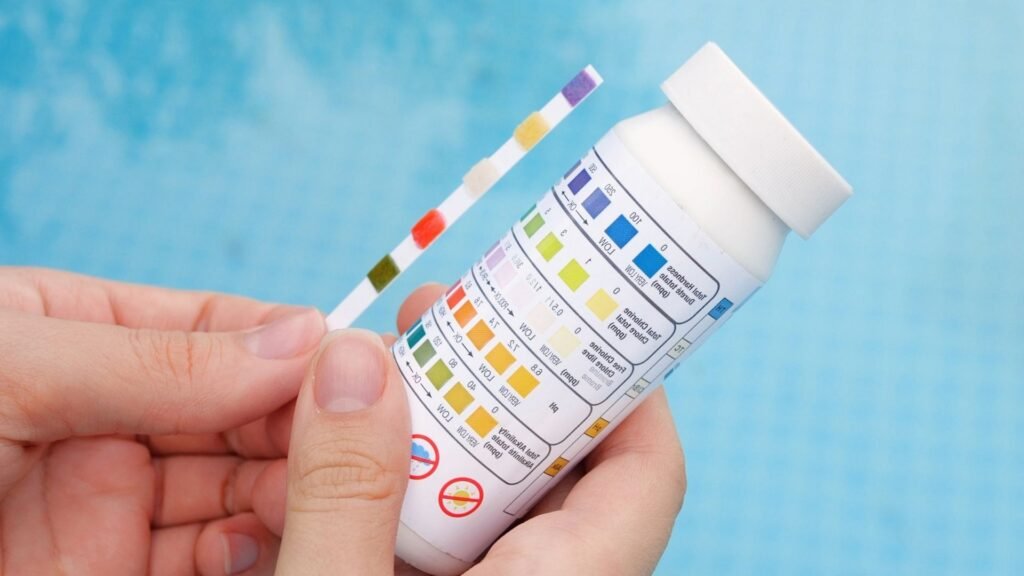
Most homeowners are surprised when they learn that saltwater pools still use chlorine. These pools just create it automatically through a different method. Let me break down how everything works.
What is a salt chlorine generator?
Every saltwater pool system relies on a salt chlorine generator (also called a salt cell, salt chlorinator, or SWG). The device has two main parts: a salt cell and a control board. Titanium plates coated with ruthenium or iridium make up the salt cell. These natural metals aid the chlorine generation process. The control board acts like the system’s brain and lets you adjust chlorine levels based on what your pool needs.
You’ll find the system installed right in your pool’s circulation system. The setup usually goes after the filter but before any heating equipment. This placement starts the real magic.
How electrolysis creates chlorine
Saltwater pools work because of electrolysis. Pool water with dissolved salt moves through the salt cell while a low-voltage electrical current runs through the titanium plates. The electrical charge splits salt molecules (sodium chloride or NaCl) into their basic parts.
This chemical reaction produces hypochlorous acid and sodium hypochlorite – the same cleaning agents you’ll find in regular chlorine pools. These compounds kill bacteria and stop algae from growing.
The system really shows its value when the chlorine finishes cleaning. It turns back into salt and creates an endless recycling loop. You just need to add more salt now and then to replace what gets lost from splashing, backwashing, or evaporation.
Salt levels and water feel
The system needs the right salt concentration to work. Levels should stay between 2,700 and 3,400 parts per million (ppm). That’s about one teaspoon of salt per gallon of water – nowhere near ocean water’s 35,000 ppm.
The salt level matches human tears (around 3,000 ppm). This explains why swimmers say the water feels better on their skin and eyes. Swimmers often notice the water’s silkier, softer quality compared to regular chlorine pools.
The system also helps remove chloramines – compounds that cause that strong “chlorine smell” and make your eyes sting in regular pools. Swimming becomes more pleasant without those harsh chemical effects.
Benefits of saltwater pools
Saltwater pool systems are better than traditional chlorine pools, and more homeowners now choose them to get a better swimming experience.
Gentler on skin, eyes, and hair
Swimmers love saltwater pools because they’re gentle on the body. These pools use less chlorine, which reduces skin, eye, and hair irritation significantly. The salt levels match human tears, which explains why people’s eyes rarely sting as they do in chlorinated pools. People with sensitive skin or allergies find these pools much more comfortable.
The water feels silky and soft against your skin – that’s the sort of thing I love about these pools. Regular chlorine strips away natural oils, but saltwater helps your skin stay moisturized. The water can help improve skin conditions like eczema and psoriasis. Your swimsuit will last longer, too, since saltwater doesn’t damage fabric as fast as chlorine does.
No strong chlorine smell
You know that strong “pool smell” at public pools? That’s not actually chlorine – it comes from chloramines, which form when chlorine mixes with bodily fluids. Saltwater pools create fewer chloramines, so you won’t notice that harsh smell. This makes a huge difference, especially in indoor pools where chemical odors usually build up.
Lower long-term maintenance costs
The initial setup costs more ($1,400-$2,000 plus installation), but saltwater pools save you money as time goes on. Annual chemical expenses run between $70-$100 compared to $300-$800 for regular chlorine systems. You’ll also save storage space since you won’t need to keep dangerous chlorine containers at home.
More consistent chlorine levels
Saltwater chlorinators create just the right amount of chlorine needed, and they keep sanitization levels steady automatically. You won’t see the chlorine spikes that happen in regular pools after treatment. The water stays consistently clean without the manual adjustments that regular systems need. This automatic system not only keeps your water cleaner but also cuts down on pool maintenance time during swimming season.
Drawbacks of saltwater pools
Saltwater pools might be popular, but they come with several drawbacks you should think over.
Higher upfront installation cost
Saltwater pools save money over time, but the original investment hits hard. Saltwater chlorination systems cost between $1,400-$2,500 plus installation. You’ll need several hundred pounds of salt to start. The cost difference between a saltwater pool and a traditional chlorine pool adds thousands to your project.
Salt can corrode metal and surfaces
Pool owners face ongoing challenges due to salt’s corrosive nature. Salt gradually damages metal components like ladders, handrails, pump seals, lights, patio furniture, and outdoor grills. Salt water can stain and etch porous surfaces like concrete decking or natural stone coping. Many automatic pool cover manufacturers void their warranties when used with saltwater systems.
Requires specialized maintenance
Saltwater pools need regular maintenance, despite what many believe. The salt cell needs replacement every 3-8 years at $300-$600 per cell. Salt systems need specialized knowledge to repair and maintain. pH management becomes vital—wrong levels can destroy the cell within 90 days and scale up your pool.
Not ideal for all pool types
Some pool constructions suffer more from saltwater exposure. Vinyl liner pools with metal wall panels risk corrosion. Concrete pools with plaster finishes deteriorate faster—salt becomes five times more abrasive on plaster than traditional chlorine. Fiberglass pools handle saltwater best among all options.
Saltwater pool vs chlorine pool: key differences
Making an informed decision about pool systems requires understanding their key differences.
Original and ongoing costs
The price difference between these systems is significant. Saltwater pools need a higher upfront investment ($1,400-$2,000 plus installation), while traditional chlorine pools cost less to start. The annual maintenance costs tell a different story – saltwater pools need under $100, but chlorine pools require $300-$800. You’ll need to replace the salt cell every 3-8 years at $300-$600.
Water quality and comfort
These systems create distinctly different swimming experiences. Saltwater pools generate chlorine naturally through electrolysis and maintain steady sanitization levels. Swimmers experience less eye irritation and skin dryness because of lower chloramines. Of course, many people find that saltwater feels silkier and more comfortable.
Maintenance effort and frequency
Traditional chlorine pools need regular chemical testing and adjustments each week. Saltwater systems, however, keep chlorine levels balanced automatically and need less attention. These systems also eliminate your need to handle harsh chemicals.
Environmental and health effects
Each system affects the environment in its own way. Chlorine pools use more manufactured chemicals, and saltwater systems need extra electricity for their generators. Saltwater pools create fewer chemical byproducts, which makes them better suited for swimmers with respiratory sensitivities.
Conclusion
Your specific needs, budget, and lifestyle will determine whether you should choose a saltwater or traditional chlorine pool. Many homeowners find that saltwater systems are worth the higher upfront cost. These systems can save money through reduced yearly maintenance and provide a better swimming experience.
Saltwater pools have some clear benefits. The water feels gentler on your skin and doesn’t have that harsh chlorine smell. You won’t need to adjust sanitization levels manually, and the water quality is perfect for people with sensitive skin or allergies.
The drawbacks need careful thought, too. Salt can corrode metal parts and damage certain pool surfaces as time goes by. You should also think about specialized maintenance needs and future salt cell replacement costs when planning your budget.
Saltwater systems work best with fiberglass pools. Concrete and vinyl liner pools might deteriorate faster with salt. Your current pool type or plans for a new one should guide your choice.
Everyone’s situation is different. You might prefer a saltwater system if you want less maintenance and more comfortable swimming conditions, even with the higher startup costs. Traditional chlorine systems could be better if you have budget limits or certain pool types. Either way, knowing these differences will help you enjoy your backyard pool for years to come.