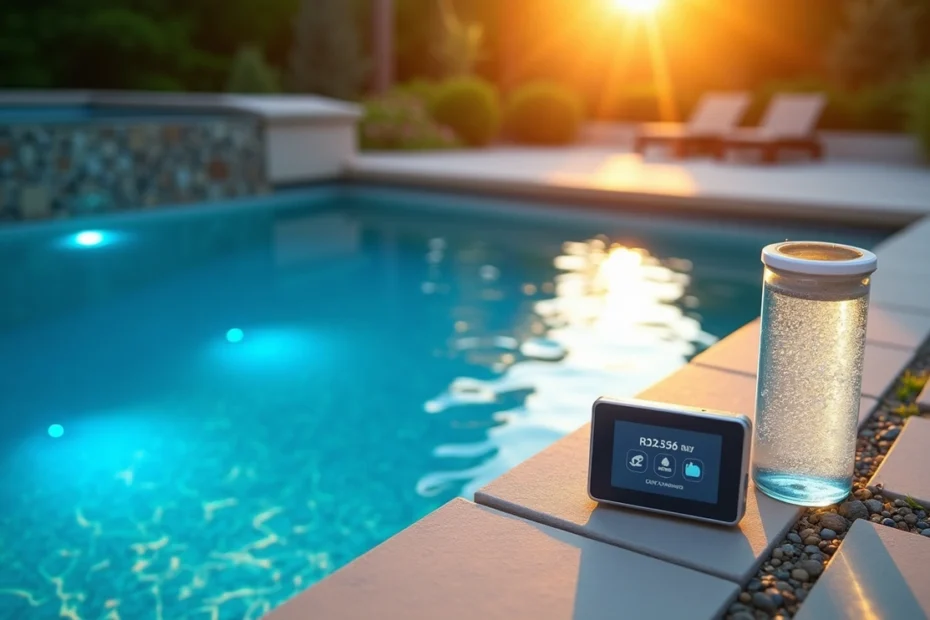
Tired of that harsh chemical smell and irritated skin from traditional chlorine pools? These days, pool owners have more options than just chlorination for water purification. As a pool owner, I found that alternatives to chlorine pools create a safer and more enjoyable swimming experience. They also help reduce overall chemical use.
My research into pool chlorine alternatives showed that UV-Ozone systems can destroy bacterial DNA and stop bacteria from growing. Ozone gas works effectively to oxidize and sanitize water. This makes it one of the most powerful alternative pool sanitizers you can get. Saltwater systems aren’t truly chlorine-free, but they produce chlorine through electrolysis instead of adding chemicals directly. Pool professionals rarely mention that these alternatives to chlorine come with specific requirements about cost, maintenance, and system compatibility.
This complete guide explores various alternatives to chlorine pools that can revolutionize your swimming experience. You’ll learn what pool professionals might not tell you about these options.
Why Many Pool Owners Are Moving Away from Chlorine
People are moving away from traditional chlorine systems in their pools. Pool owners now look for alternatives to chlorine pools as they learn about the problems with this common cleaning method.
Health concerns and skin irritation
Swimmers can experience several physical reactions to chlorine exposure. The chemical removes natural oils from the skin and causes dry, flaky, and itchy skin—a condition doctors call irritant contact dermatitis. Swimmers often notice red, blotchy patches that burn or itch. People who have skin conditions like eczema or psoriasis tend to see their symptoms get worse after swimming in chlorinated water.
Chlorine also bothers many swimmers’ eyes. It breaks down the protective tear layer that covers your eyes and leads to redness, burning, and a gritty sensation. The chemical can also hurt your breathing. Exposure levels of 1-3 ppm cause mild nose irritation, while levels between 5-15 ppm irritate the throat.
Environmental impact of chlorine use
Chlorine creates problems beyond human health. One out of every five pools leaks, which lets chlorinated water seep into nearby soil and groundwater. This chemical can harm animals and soil organisms by damaging their immune, blood, heart, and respiratory systems.
The air quality suffers, too. Large amounts of chlorine escape into the atmosphere as gas, which adds to greenhouse gases and pollution.
Chlorine by-products and their risks
The biggest worry comes from disinfection by-products (DBPs). These form when chlorine mixes with organic materials from swimmers like sweat, body oils, and urine. DBPs include trihalomethanes, haloacetic acids, and chloramines.
Research shows that pool water with these compounds can be more toxic to cells, cause mutations, and damage DNA compared to regular tap water. Scientists have found changes in important biomarkers that show DNA damage after just 40 minutes of swimming. This long-term exposure might increase the risk of bladder cancer.
These health and environmental concerns explain why more pool owners now choose alternatives like UV systems, ozone treatments, and mineral-based solutions.
Top Chlorine-Free Pool Solutions Explained
Want a gentler approach to pool maintenance? Let’s look at the best alternatives to chlorine that can revolutionize your swimming experience.
1. UV Pool Systems
UV systems destroy microorganisms by changing their DNA structure, which stops them from reproducing. These systems work with minimal chlorine levels to produce water that’s almost drinking quality. A UV sanitizer costs between $350-$2000, and most home systems cost $500-$600. You’ll have to replace the UV light about every 18 months at $50-$400, depending on your pool size.
2. Ozone Pool Systems
Ozone, a powerful oxidizer with three oxygen atoms, kills bacteria, viruses, and parasites effectively. Pool systems create ozone through corona discharge or ultraviolet light methods and inject it into the circulation system. Corona discharge generators create better quality ozone at a higher price. Since ozone doesn’t leave any residual effect, you’ll still need low levels of chlorine or bromine for complete sanitation.
3. Saltwater Chlorinators (Not truly chlorine-free)
Saltwater pools aren’t actually chlorine-free, contrary to what many believe. They use electrolysis to turn salt into chlorine. A quality salt chlorinator costs $800-$1500 and lasts 4-6 years before you need to replace the cell. These systems make maintenance easier than traditional chlorine pools and create gentler water for swimmers.
4. AOP (Advanced Oxidation Process)
AOP combines ozone, hydroxyl radicals, and UV light to create the most powerful oxidation system available. This state-of-the-art system eliminates bacteria, viruses, algae, and organic contaminants while cutting chlorine use by up to 90%. It breaks down chloramines effectively, which removes the unpleasant smell and irritation common in traditional pools.
5. Pool Ionizers
Pool ionizers release copper and silver ions into the water – silver kills bacteria while copper prevents algae growth. Electric models cost $700-$1500, while solar versions run $100-$300. These systems create silkier water and reduce chemical use. Your pool surface might stain if the system isn’t configured properly.
6. PHMB (Biguanide)
PHMB stands as the only EPA-approved non-halogen sanitizer for pools. This polymer kills microorganisms by breaking down their cell walls and works with hydrogen peroxide for oxidation. PHMB remains stable in sunlight and feels gentler on skin and equipment, but doesn’t mix with chlorine. Your filter needs regular cleaning because PHMB can cause gumming.
7. Mineral Systems
Mineral sanitizers employ silver and copper to kill bacteria and algae, which cuts chlorine use by about 50%. Your water feels softer and maintains pH balance longer with these systems. You can choose from floating dispensers, skimmer basket systems, and in-line devices – most are simple to install and maintain.
8. Natural Pools (Plant-based filtration)
Natural pools clean water through plants and rocks in a “regeneration zone.” Water lilies and other aquatic plants absorb bacteria and add oxygen to the water. These eco-friendly options start at $50,000 and require extra space since the regeneration zone usually matches the swimming area’s size.
What Pool Professionals Don’t Always Tell You
Pool professionals talk about the benefits of chlorine alternatives but often skip some key details. While researching alternative pool sanitizers, I found several important facts that don’t get much attention.
Hidden maintenance costs
Alternative pool systems still rack up expenses over time. UV systems need professional cleaning to work well. Ozone generators also need regular checks to keep sanitization levels right.
Compatibility issues with existing systems
Your current setup might not work with every chlorine alternative. Some options, like PHMB, are entirely incompatible with any chlorine left in pipes and filters. You might need to replace the whole system.
False assumptions about ‘chemical-free’ claims
“Chemical-free” doesn’t tell the whole story. Every pool sanitization method uses chemicals – copper, silver, salt, or minerals. Natural pools work through biological processes that involve chemical reactions.
Lifespan and replacement parts
UV bulbs typically need replacement yearly. Salt cells last 3-7 years based on use and care. Ozone generators have parts that wear down as time passes, which affects how well they work.
Installation complexity and professional dependency
You’ll need professionals to install and maintain most alternative sanitizers. This means you’ll depend on specialized technicians, especially when complex systems like AOP or detailed ozone setups need fixing.
How to Choose the Right Alternative for Your Pool
The right alternative to chlorine pool systems depends on several key factors. My experience shows that finding the best solution comes down to assessing your specific situation.
Pool type and size matter
The choice between an indoor and outdoor pool substantially affects your decision. Bromine works better for heated indoor pools but breaks down quickly in direct sunlight. Pools that are larger or see frequent use might need more resilient sanitization systems. Natural pools need enough space because the regeneration zone usually matches the swimming area.
Budget and long-term costs
Money matters involve balancing your original investment against regular expenses. Saltwater systems cost $800-1500 upfront, but they save you money on chemicals over time. A freshwater swimming pool can reduce maintenance costs even with its higher upfront cost. The costs you should think over include:
- Installation complexity (some systems need plumbing changes)
- Replacement parts (UV bulbs need yearly replacement)
- Energy efficiency (variable-speed pumps use 50-70% less energy than single-speed motors)
Local climate and water chemistry
Your area’s conditions are vital in choosing the right system. The availability of fresh water or whether it’s pumped from miles away, makes a difference. The pH must stay between 7.0-7.4 for effective sanitization, whatever system you pick.
System compatibility and ease of use
Your chosen alternative should work with your existing equipment. Some systems don’t mix well—PHMB won’t work with chlorine, and other options need specific filtration systems. Each option needs different levels of maintenance, so pick a system that matches how much time you can spend on upkeep.
Conclusion
Swimming pools don’t need harsh chemicals anymore to stay clean and welcoming. Our look into chlorine alternatives has shown many options that give you effective cleaning with a gentler swim. These options bring real benefits – they’re easier on your skin, don’t smell like chemicals, and are better for the environment.
The best chlorine-free option for you depends on your specific situation. Your pool’s size, where you live, what you can spend, and your current equipment are vital factors in picking the right system. UV or ozone systems work great with small amounts of chlorine to create swimming experiences that are almost chemical-free. Mineral systems can also cut down your chlorine needs while making the water feel better.
You should have realistic expectations about these alternatives. Don’t be fooled by “chemical-free” marketing – all cleaning methods use some kind of chemical process. On top of that, many of these systems need professional setup and upkeep, which costs more than the original purchase.
My research shows that making a smart choice is what matters most. You should ask vendors about replacement costs, how well it works with your current pool setup, and how long parts last before you pick any chlorine alternative. These questions help you avoid surprise costs down the road.
Pool owners want healthier and more eco-friendly options, and that’s pushing the change away from traditional chlorine. New cleaning technologies are getting better faster, which makes gentler swimming options more available and cost-effective.
Your pool should line up with what you value, what you can afford, and how much maintenance you want to do. Now that you know what pool companies might not tell you, you can look into chlorine alternatives and make your swimming experience something special.